
The Eyes: Why Blepharoplasty Is One of the Most Impactful Procedures in Facial Surgery
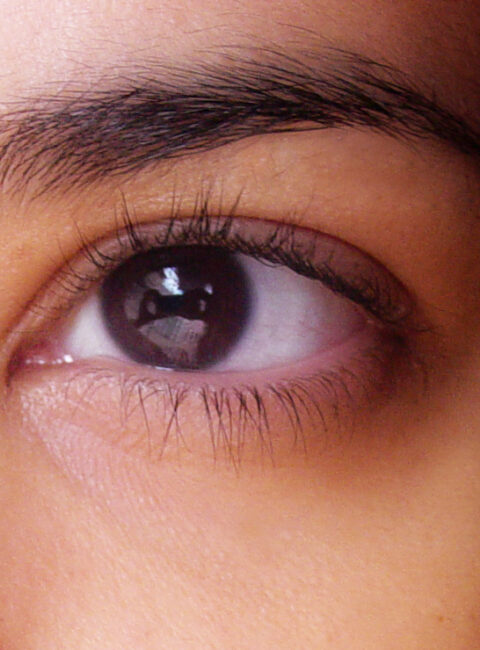
The Eyes: Why Blepharoplasty Is One of the Most Impactful Procedures in Facial Surgery
There is a reason why the eyes are the first thing people look at in a face — and why changes around the eyes register so quickly and so personally. The periorbital area is where expression lives. Fatigue, emotion, attentiveness, warmth — all of it reads through the eyes. When aging begins to change the appearance of this area, the effect can feel particularly acute: a face that consistently looks tired, sad, or older than its owner feels.
Blepharoplasty — eyelid surgery — is one of the most consistently satisfying procedures in facial surgery because the results are visible, meaningful, and immediate in a way that patients really feel. And unlike some facial procedures, the change is almost always read by others not as “something has been done” but simply as “you look great.”

Upper Blepharoplasty: More Than Just Cosmetic
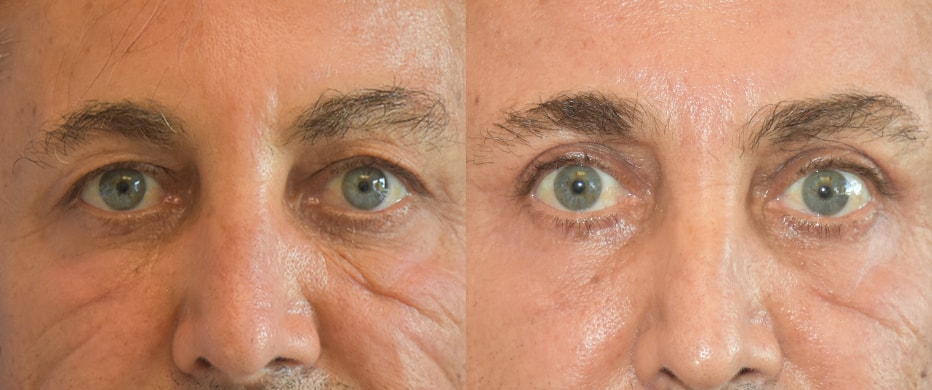
Upper eyelid surgery removes the excess skin that accumulates on the upper lids with age, along with any herniated fat that creates puffiness or fullness in the inner corner of the eye. The procedure is relatively straightforward in experienced hands, performed under local anesthesia with sedation as an outpatient, and carries a recovery that is milder than most facial procedures.
What makes it interesting clinically is that it sits at the intersection of cosmetic and functional surgery. In cases where the excess upper lid skin is significant — what we call dermatochalasis — it can impair the superior visual field, making it harder to see clearly when looking upward or even straight ahead. When this functional impairment is documented, upper blepharoplasty may be covered by insurance, which is worth exploring during your consultation.
The incision for upper blepharoplasty is placed in the natural crease of the upper eyelid, where it heals to a barely visible line in virtually all patients. Most people are surprised by how quickly the incision becomes undetectable.
Lower Blepharoplasty: A More Complex Picture
The lower eyelid is anatomically and surgically more complex than the upper. What patients typically notice are under-eye bags — the puffiness that comes from herniated orbital fat pushing forward through a weakened septum — and the fine, crepey skin texture that develops in the under-eye area with age. Often there is also a hollowing just below the bags, in the tear trough area, that creates a shadow and contributes to a tired appearance.
Lower blepharoplasty can address all of these concerns, but the surgical approach varies depending on what’s present. A transconjunctival approach — where the incision is made on the inside of the lower lid, leaving no external scar — is ideal for patients whose primary concern is fat herniation without significant skin excess. For patients with significant skin laxity, an external approach with an incision just below the lower lash line may be more appropriate, allowing for skin removal as well as fat management.
One of the most important concepts in lower blepharoplasty is the option to reposition rather than remove the herniated fat. Rather than simply excising the fat — which can sometimes lead to a hollowed, over-corrected appearance — Dr. Sharma can reposition it into the tear trough, effectively using the patient’s own fat to fill the hollow and create a smoother transition between the lower lid and the cheek. The result is a more natural, volumized appearance rather than one that simply looks like something has been removed.
Combining Upper and Lower Eyelid Surgery
Many patients benefit from addressing both upper and lower lids in a single procedure. The recovery is essentially the same as for either procedure alone, and the result is a comprehensive periorbital rejuvenation that addresses the entire eye zone in a balanced way.
It’s also worth noting that eyelid surgery is frequently combined with a brow lift, a facelift, or fat grafting as part of a more comprehensive facial rejuvenation plan. The eyes don’t exist in isolation — and a beautifully executed blepharoplasty in the context of an untreated brow descent or significant midface descent may not produce the overall result the patient was hoping for.
Recovery and What to Expect
Recovery from blepharoplasty is typically one of the most manageable in facial surgery. Bruising and swelling peak in the first three to four days and resolve significantly within two weeks. Most patients are comfortable being seen in public — with sunglasses if desired — within ten days to two weeks. Reading and screen time can usually resume within a few days, which patients consistently find reassuring.
The results are long-lasting. While the aging process continues after surgery, most patients find their eyelid results remain satisfying for a decade or more. A small percentage return for a secondary procedure in the upper lids years later, as the skin continues to gradually accumulate with age.
Next in this series, we move to the midface and jawline — the territory of the facelift itself — and discuss what modern facelift surgery actually involves, why the SMAS layer is so central to achieving natural-looking results, and what distinguishes a well-executed facelift from one that doesn’t quite hit the mark.
Ready to Talk Through Your Options?
If this series is raising questions about your own situation, that’s exactly what it’s meant to do. Dr. Sharma offers private consultations at his Austin practice where he’ll take the time to evaluate your concerns, explain what he sees, and help you understand what’s realistically achievable. Call (512) 324-2765 or visit the contact page to get started.